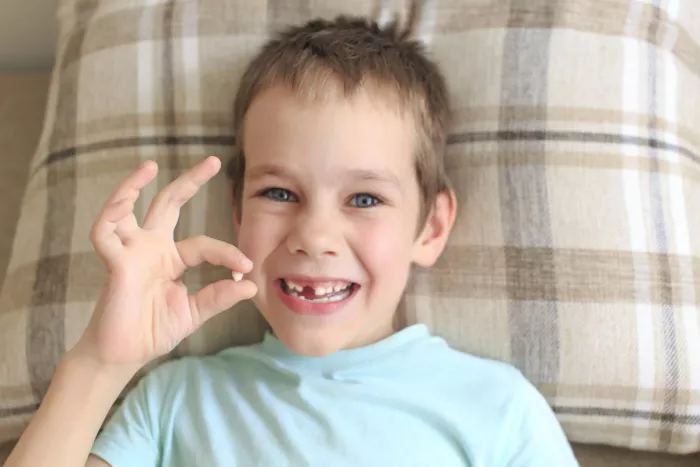

When children ask the question, What “Is the Tooth Fairy Real” Really Means for Your Child, they are not only asking about a character who leaves money under a pillow. They are expressing curiosity, trust, imagination, and emotional growth all at once. This moment often arrives quietly, maybe at bedtime, maybe while holding a tiny tooth wrapped in tissue. As parents, we face more than a simple yes or no. We face a meaningful step in how our child understands stories, honesty, and growing up.
This article explores what What “Is the Tooth Fairy Real” Really Means for Your Child from emotional, developmental, and family perspectives. We focus on helping parents respond with care, respect, and confidence while protecting a child’s sense of wonder and trust.
Why Children Ask About the Tooth Fairy
The question does not appear out of nowhere. It usually comes after several experiences that slowly build doubt and curiosity. Children notice patterns. They hear classmates talk. They begin to compare stories. When a child asks What “Is the Tooth Fairy Real” Really Means for Your Child, they are testing how stories fit into the real world.
This moment often happens between ages five and eight, when logical thinking becomes stronger. Children still enjoy imagination, but they also want consistency and truth. The question is not a challenge. It is an invitation to talk.
The Emotional Meaning Behind the Question
For many children, the Tooth Fairy represents safety, reward, and celebration. Losing a tooth can feel strange or even scary. The ritual softens that experience. So when children ask What “Is the Tooth Fairy Real” Really Means for Your Child, they may be asking if the comfort connected to that ritual is still safe.
We often see mixed emotions at this stage. Excitement blends with uncertainty. Pride blends with fear. A thoughtful response helps children feel supported rather than embarrassed for asking.
Imagination and Early Childhood Development
Imaginative figures like the Tooth Fairy play an important role in early learning. They help children practice abstract thinking, storytelling, and emotional regulation. Pretend play teaches children how to explore ideas without risk.
Understanding What “Is the Tooth Fairy Real” Really Means for Your Child requires recognizing that imagination is not lying. It is a shared story that families use to mark milestones. Children usually know, on some level, that the story is playful. What matters most is how adults handle the transition from belief to understanding.
Trust and Honesty in Parenting
Many parents worry that admitting the Tooth Fairy is not real will damage trust. In reality, trust depends more on how the truth is shared than on the truth itself. When parents answer gently and respectfully, children often feel relieved rather than disappointed.
The key is tone. When discussing What “Is the Tooth Fairy Real” Really Means for Your Child, we can explain that families enjoy pretending together. We can say the story helped make losing teeth fun and special. This approach preserves honesty while honoring the emotional experience.
How Different Children React
Every child reacts differently. Some laugh and feel proud that they figured it out. Others feel sad or quiet. A few may feel confused about other imaginary figures. These reactions are normal.
When a child asks What “Is the Tooth Fairy Real” Really Means for Your Child, it helps to pause and listen before responding. Their reaction guides the conversation. Some children want details. Others want reassurance that the tradition will continue in some form.
Signs Your Child Is Ready for the Truth
- They ask direct questions and wait seriously for answers
- They mention doubts they heard from friends
- They notice practical details like timing or money placement
These signs suggest curiosity, not disappointment.
Cultural and Family Traditions Matter
Different cultures handle tooth traditions in unique ways. Some families focus on small gifts. Others focus on storytelling or keepsakes. Understanding What “Is the Tooth Fairy Real” Really Means for Your Child also means honoring your own family values.
For some families, the Tooth Fairy becomes a memory shared between siblings. For others, it becomes a quiet transition into more grown-up conversations. There is no single correct way to handle it.
How to Answer Without Causing Fear or Shame
Children should never feel silly for believing. Avoid teasing or sudden blunt answers. A calm explanation builds confidence. We can say that the Tooth Fairy is a story parents share to celebrate growing up.
When we explain What “Is the Tooth Fairy Real” Really Means for Your Child, we can include our own memories. Sharing personal stories adds warmth and connection. Children often appreciate knowing their parents once believed too.
The Role of Ritual Even After Belief Fades
Many families continue the tradition even after children know the truth. The excitement of checking under the pillow can still feel comforting. The meaning changes, but the ritual remains.
This shows children that traditions can evolve. Understanding What “Is the Tooth Fairy Real” Really Means for Your Child includes recognizing that growing up does not mean losing joy. It means understanding it differently.
Supporting Emotional Growth During This Stage
This question often marks a larger shift. Children start asking more complex questions about life, fairness, and honesty. Handling this moment with care helps prepare them for future conversations.
When parents respond thoughtfully to What “Is the Tooth Fairy Real” Really Means for Your Child, children learn that questions are welcome. They learn that truth can be shared kindly. These lessons stay with them long after the last tooth is lost.
Common Parent Concerns and Practical Guidance
Parents often worry about ruining childhood magic. In reality, children replace one form of magic with another. They begin to enjoy secrets, humor, and shared understanding.
Here are a few helpful approaches:
- Let the child lead the conversation
- Acknowledge feelings before explaining facts
- Reframe the story as a family tradition
Each approach respects emotional development while maintaining honesty.
Long Term Impact on Parent Child Relationships
Handled well, this moment strengthens relationships. Children remember feeling heard and respected. They remember how parents responded when curiosity replaced belief.
Understanding What “Is the Tooth Fairy Real” Really Means for Your Child is about more than a mythical figure. It is about how families navigate growth together.
Final Thoughts for Parents
When children ask What “Is the Tooth Fairy Real” Really Means for Your Child, they are stepping into a new stage of understanding. Our role is not to protect a story at all costs, but to protect the child’s sense of safety and trust.
Handled with empathy and honesty, this moment becomes a positive memory rather than a loss. It becomes a reminder that growing up includes both questions and connection. By approaching this conversation with care, we help our children feel confident, respected, and ready for the next chapter of childhood.