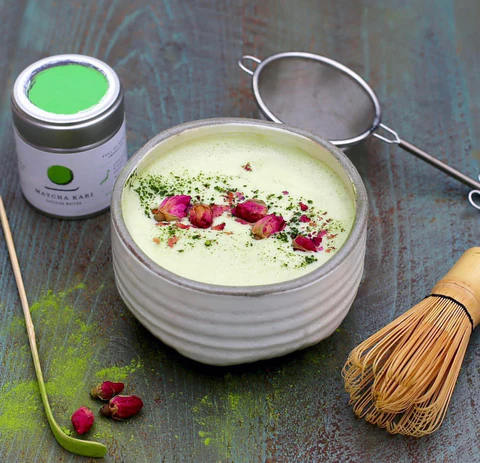

When people first hear about matcha, one of the most common questions they ask is, What Does Matcha Taste Like? Real Flavor Notes Explained. The curiosity is understandable. Matcha looks bold, smells fresh, and carries a reputation that ranges from calming to intense. In this guide, we explain exactly what matcha tastes like, why it tastes that way, and how different factors change the experience. By the end, you will not only understand matcha flavor but also know how to enjoy it with confidence.
What Matcha Really Is and Why Taste Matters
Matcha is a finely ground green tea powder made from specially grown tea leaves. Unlike regular green tea, where leaves are steeped and removed, matcha is consumed whole. This difference alone explains much of its distinct taste. When asking What Does Matcha Taste Like? Real Flavor Notes Explained, we must start with how matcha is grown, harvested, and prepared.
Tea plants used for matcha are shade grown for several weeks before harvest. This process boosts chlorophyll and amino acids, especially L-theanine. These compounds directly shape the taste, giving matcha its signature balance of savory depth and gentle sweetness.
The Core Flavor Profile of Matcha
At its core, matcha delivers a layered taste that unfolds gradually. It does not hit the palate in a single note. Instead, it moves from aroma to taste to finish in a way that feels intentional and grounded. When people search What Does Matcha Taste Like? Real Flavor Notes Explained, they are usually trying to understand these layers.
Earthy and Grassy Notes
The first impression of matcha is often described as grassy or vegetal. Think of freshly cut grass, young spinach, or steamed greens. This flavor comes from the chlorophyll-rich leaves and signals freshness. High quality matcha smells clean and green, never stale or muddy.
This grassy quality is not harsh. Instead, it feels soft and natural, similar to walking through a garden early in the morning. Lower quality matcha can taste dull or overly bitter, which is why sourcing matters.
Umami Depth
Umami is one of the most misunderstood parts of matcha flavor. It is savory, smooth, and slightly brothy. This taste comes from amino acids developed during shade growing. When matcha is well made, umami adds body and richness without saltiness.
If you have ever tasted a mild vegetable broth or slow cooked greens, you have experienced umami. This is often what surprises first time drinkers and leads them to search again for What Does Matcha Taste Like? Real Flavor Notes Explained.
Natural Sweetness
Good matcha carries a gentle sweetness that follows the savory notes. This sweetness is not sugary. It feels round and calm, similar to the natural sweetness of peas or sweet grass. It lingers softly on the tongue and balances the vegetal edge.
Ceremonial grade matcha often highlights this sweetness more clearly. It is one of the signs that the leaves were young and properly processed.
Bitterness When Quality Drops
Bitterness is not supposed to dominate matcha. When it does, it usually signals older leaves, improper grinding, or incorrect preparation. Overheating the water can also pull out unwanted bitter compounds.
A slight bitterness can exist as contrast, but it should never overwhelm. Understanding this helps answer What Does Matcha Taste Like? Real Flavor Notes Explained in a realistic way. Matcha is complex, not perfect by default.
How Matcha Grade Changes Taste
Not all matcha tastes the same. Grades play a major role in flavor, texture, and aroma. Knowing the difference helps set proper expectations.
Ceremonial Grade Matcha
Ceremonial grade matcha is made from the youngest leaves. It tastes smooth, slightly sweet, and rich in umami. Bitterness is minimal. This grade is meant to be enjoyed with just water.
If someone asks What Does Matcha Taste Like? Real Flavor Notes Explained and they are drinking ceremonial grade, the answer usually includes words like creamy, mellow, and balanced.
Culinary Grade Matcha
Culinary grade matcha is stronger and more bitter. It is designed to hold its flavor when mixed with milk, sugar, or baked goods. On its own, it can taste sharp and grassy.
This does not mean it is bad. It simply serves a different purpose. Many matcha lattes use culinary grade powder.
Texture and Mouthfeel
Taste is not only about flavor. Texture plays a major role in how matcha feels and is perceived. Properly whisked matcha feels smooth and creamy, even without dairy.
The fine powder creates a light foam that softens the taste. Poorly sifted or clumpy matcha feels gritty, which can distract from flavor and make bitterness feel stronger.
Aroma and First Sip Experience
Before matcha even touches the tongue, aroma sets expectations. Fresh matcha smells green, slightly sweet, and clean. This aroma primes the palate and shapes the first sip.
When the aroma is dull or fishy, the taste usually follows. High quality matcha delivers a pleasant smell that feels alive. This sensory step is often overlooked when asking What Does Matcha Taste Like? Real Flavor Notes Explained.
How Preparation Changes Flavor
Many people dislike matcha simply because it was prepared incorrectly. Small details make a noticeable difference.
- Water temperature should be warm, not boiling.
- Powder should be sifted to avoid clumps.
- Whisking should create foam without overworking.
Hot water pulls bitterness. Cooler water highlights sweetness and umami. Preparation technique often separates a harsh cup from a pleasant one.
Matcha in Lattes and Foods
When matcha is mixed with milk, its flavor softens. The grassy notes become mild, and sweetness comes forward. This is why matcha lattes feel approachable even to beginners.
In desserts, matcha adds color and a gentle bitterness that balances sugar. Cookies, ice cream, and cakes use matcha for contrast rather than purity.
These variations still answer What Does Matcha Taste Like? Real Flavor Notes Explained, just in different contexts.
Common Taste Misconceptions
Some people expect matcha to taste like green tea bags. Others expect sweetness similar to flavored drinks. Both expectations miss the mark.
Matcha is closer to whole leaf flavor. It is more intense, more layered, and more satisfying when understood properly.
Why People Grow to Love Matcha
Matcha is rarely love at first sip. It grows on people. As the palate adjusts, subtle sweetness and umami become more noticeable. The bitterness fades into background structure.
This learning curve explains why so many people revisit the question What Does Matcha Taste Like? Real Flavor Notes Explained after their first experience.
Choosing Matcha Based on Taste Preference
If you prefer mild flavors, choose ceremonial grade with a bright green color. If you enjoy bold flavors, culinary grade may suit you in mixed drinks.
Reading tasting notes and origin details can guide you toward a matcha that matches your palate.
Conclusion
So, What Does Matcha Taste Like? Real Flavor Notes Explained comes down to balance. Matcha tastes grassy, savory, slightly sweet, and smooth when made well. Its flavor reflects how it is grown, processed, and prepared. Understanding these elements turns confusion into appreciation. Whether you drink it plain or blended, matcha offers a taste that feels grounded, intentional, and deeply satisfying.