
Choosing the right shower valve height is one of those decisions that seems small until you live with it every single day. In this Shower Valve Height Guide: What Works Best for Every Bathroom, we walk through real world standards, comfort factors, building code considerations, and personal use cases so homeowners and remodelers can make confident choices. When the shower valve height is wrong, daily routines feel awkward, controls are hard to reach, and accessibility suffers. When it is right, the shower feels natural, safe, and easy to use.
We have worked on countless bathroom projects across the United States, and one lesson stays consistent. There is no single perfect height for every space or every person. This guide focuses on what actually works best, based on how people move, reach, and live in their bathrooms.
Why Shower Valve Height Matters More Than Most People Expect
The shower valve controls water temperature and pressure. Its placement affects comfort, safety, and long term satisfaction. A valve that is too high forces shorter users to stretch. A valve that is too low makes taller users bend forward while water sprays down their arms. Over time, these small frustrations add up.
From a safety perspective, shower valve height also matters for children, seniors, and anyone with limited mobility. A reachable, well placed valve reduces slips and sudden temperature changes. From a resale standpoint, buyers notice thoughtful bathroom layouts even if they cannot explain why the space feels better.
Standard Shower Valve Height in the United States
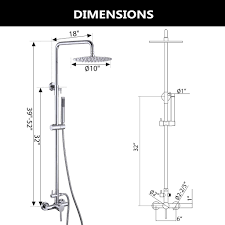
Most plumbers follow a general standard when roughing in a shower valve. For a typical residential shower, the valve is usually installed between 38 and 48 inches above the finished floor. This range works well for average height adults and aligns with common showerhead placement.
That said, standards exist for convenience, not perfection. They are starting points. This Shower Valve Height Guide: What Works Best for Every Bathroom encourages adjustments based on who actually uses the shower.
Common Industry Benchmarks
- 38 to 42 inches for tub and shower combinations
- 44 to 48 inches for standalone showers
- Lower ranges for accessibility focused bathrooms
These measurements are taken from the finished floor, not the subfloor. Tile thickness, shower pans, and curbless designs must be factored in during planning.
Shower Valve Height for Different Bathroom Types
Every bathroom layout changes how the valve should be positioned. Ceiling height, fixture style, and user habits all influence the final decision.
Walk In Showers
Walk in showers offer flexibility. With no tub edge to consider, valves are often placed slightly higher for a clean, modern feel. For most homes, 44 to 48 inches works well. If multiple people of different heights share the shower, staying near the middle of this range keeps everyone comfortable.
In our experience, walk in showers feel best when the valve is easy to reach from both inside and just outside the spray zone. This allows users to adjust temperature before stepping fully under the water.
Tub and Shower Combos
Tub and shower combinations require a lower valve so bathers can reach controls while seated. In these setups, 38 to 42 inches is common. Going higher often makes filling the tub less convenient.
This is one area where ignoring standards causes regret. Families with children especially benefit from keeping the valve within easy reach.
ADA and Accessibility Focused Bathrooms
For accessible showers, shower valve height must prioritize reach from a seated position. Many designs place valves between 36 and 40 inches. Lever style handles are strongly preferred over round knobs.
Local codes and ADA guidelines should always be reviewed. This Shower Valve Height Guide: What Works Best for Every Bathroom supports accessibility as a core design principle, not an afterthought.
How User Height and Daily Habits Affect Valve Placement
Human bodies vary, and bathrooms should reflect that reality. A household where everyone is over six feet tall may feel constrained by a standard installation. Likewise, shorter users often struggle with controls placed too high.
We recommend testing valve height before final installation. A simple way is to stand in the shower area, raise your arm naturally, and note where your hand rests comfortably. That point often reveals the ideal location more accurately than a tape measure alone.
Shared Bathrooms
When multiple people share one shower, compromise matters. Placing the valve slightly lower than the tallest user prefers is usually easier than forcing shorter users to reach upward daily. Comfort should be shared, not optimized for one person.
Building Codes and Plumbing Considerations
Most building codes do not specify an exact shower valve height, but they do require proper clearances, anti scald protection, and approved mixing valves. Local inspectors focus more on safety features than exact placement.
Still, professional plumbers often follow habits shaped by years of inspection feedback. Discussing preferred shower valve height during the rough in stage avoids costly changes later.
Pressure Balancing and Thermostatic Valves
Modern pressure balancing and thermostatic valves add another layer to placement decisions. These valves are often bulkier and may require deeper wall cavities. Planning ahead ensures the valve is not only at the right height but also properly supported.
Common Mistakes We See with Shower Valve Height
Many issues come from rushing decisions or copying layouts without considering context. Below are mistakes we encounter regularly in remodels.
- Placing the valve based solely on old plumbing lines
- Ignoring finished floor height during rough in
- Matching showerhead height without testing reach
- Forgetting about children or aging family members
Fixing these mistakes often requires opening walls, re tiling, and added expense. Spending extra time upfront saves stress later.
Design Balance Between Shower Valve and Showerhead
The relationship between the valve and the showerhead affects how natural the shower feels. If the valve is too close to the showerhead, adjusting temperature means stepping directly under cold or hot water. If it is too far away, reaching becomes awkward.
Most designers aim for a comfortable vertical separation that allows adjustment without discomfort. This Shower Valve Height Guide: What Works Best for Every Bathroom encourages thinking of the shower as a complete system rather than isolated parts.
Real World Advice from Bathroom Remodels
After years of hands on work, we have learned that listening to how people use their showers matters more than following rigid rules. Some prefer adjusting temperature before stepping in. Others adjust constantly during use. These habits influence where the valve should live.
We also see emotional responses tied to bathrooms. A well designed shower can feel calming at the end of a long day. Poorly placed controls can quietly add frustration. These details shape daily life more than many homeowners expect.
Final Thoughts on Shower Valve Height
There is no universal answer, but there is always a best answer for each home. This Shower Valve Height Guide: What Works Best for Every Bathroom exists to help homeowners make informed choices grounded in comfort, safety, and practical experience. By considering bathroom type, user height, accessibility needs, and real habits, shower valve height becomes a thoughtful decision rather than a guess.
When planned carefully, the shower fades into the background and simply works. That is the goal we recommend aiming for in every bathroom project, and it is why understanding shower valve height matters more than most people realize.