
Leaf lard has been part of traditional American kitchens for generations, yet many home cooks are only now rediscovering its value. In this guide, Leaf Lard Explained: What It Is, How to Use It and Where to Get It, we share clear, practical knowledge based on real kitchen experience. Leaf lard is prized for its clean flavor, smooth texture, and dependable performance in baking and cooking. Within the first few uses, most people notice how different it feels, smells, and behaves compared to common store bought fats.
Our goal with Leaf Lard Explained: What It Is, How to Use It and Where to Get It is to provide honest, useful information that helps you decide if leaf lard belongs in your pantry and how to use it with confidence.
What Leaf Lard Is and Why It Matters
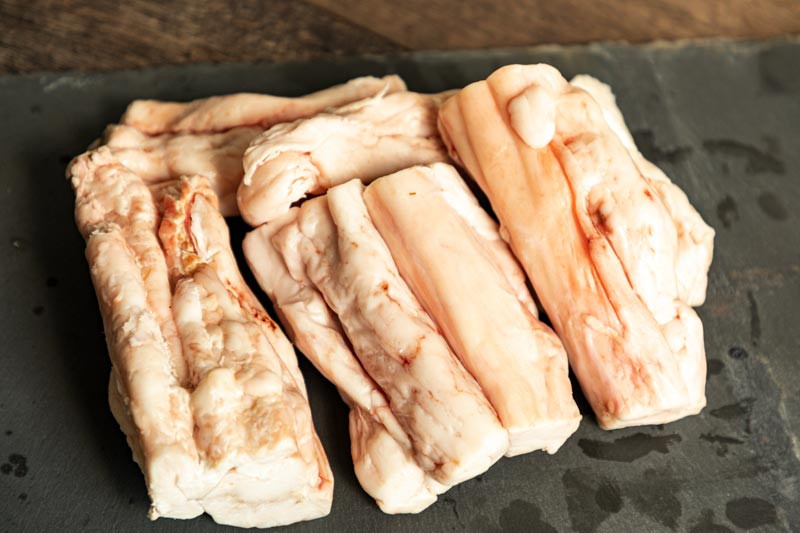
Leaf lard is a type of pork fat that comes from a specific area inside the hog, surrounding the kidneys and loin. This location produces a fat that is unusually mild in taste and light in color. Unlike regular pork fat trimmed from the belly or shoulder, leaf lard has very little pork aroma when rendered correctly.
When people search for leaf lard, they often want clarity. Leaf Lard Explained: What It Is, How to Use It and Where to Get It begins with understanding that this fat is not the same as bacon grease or standard lard blocks found in grocery stores. Its structure is smoother, almost silky, and it melts at a lower temperature. That difference shows up clearly when baking pie crusts or frying delicate foods.
How Leaf Lard Is Different From Other Cooking Fats
Most modern kitchens rely on butter, vegetable oil, or shortening. Each has strengths, but leaf lard fills a unique role. It does not overpower food with flavor, which makes it ideal for both sweet and savory recipes. Many bakers describe the texture as soft yet stable, allowing dough to roll easily without cracking.
In Leaf Lard Explained: What It Is, How to Use It and Where to Get It, we compare leaf lard with common fats based on daily use, not marketing claims. Butter adds flavor but burns easily. Vegetable oils lack structure for pastries. Commercial shortening is stable but highly processed. Leaf lard offers balance. It delivers tenderness without greasiness and structure without heaviness.
Traditional Uses of Leaf Lard in American Kitchens
Long before boxed shortenings became popular, leaf lard was a trusted staple. Many family recipes passed down through rural communities relied on it. Grandparents often recall the smell of fresh crust baking or biscuits frying on a cast iron stove.
In older cookbooks, leaf lard appears often in pastry dough, biscuits, fried chicken, and even simple cakes. These recipes worked because cooks understood how leaf lard behaved under heat. Leaf Lard Explained: What It Is, How to Use It and Where to Get It draws on this tradition while adapting it for modern kitchens.
How to Use Leaf Lard in Baking
Baking is where leaf lard truly stands out. Its fine grain allows it to blend into flour without melting too quickly. This creates layers that puff and separate during baking, resulting in flakiness that is hard to match.
When making pie crust, many bakers switch to leaf lard after struggling with tough dough. The fat coats the flour evenly and keeps moisture in check. Dough stays flexible, making it easier to roll and shape.
Common baking uses include:
- Pie crusts with tender, flaky layers
- Biscuits that rise evenly and break apart softly
- Old fashioned cookies with a delicate crumb
In each case, Leaf Lard Explained: What It Is, How to Use It and Where to Get It applies directly. Once you bake with it a few times, you can feel the difference in your hands as you work the dough.
Cooking With Leaf Lard Beyond Baking
Leaf lard is not limited to pastries. It performs well in everyday cooking due to its relatively high smoke point and neutral flavor. It melts smoothly in a hot pan and coats ingredients evenly.
For frying, leaf lard produces crisp edges without leaving food oily. Potatoes brown evenly. Chicken skin turns golden and crackly. Vegetables sauté gently without absorbing heavy flavors.
We often recommend leaf lard for:
- Pan frying meats and vegetables
- Shallow frying foods that need steady heat
- Roasting root vegetables for even browning
In Leaf Lard Explained: What It Is, How to Use It and Where to Get It, we emphasize versatility because most home cooks want one fat that works across many meals.
How Leaf Lard Is Rendered
Rendering is the process of slowly melting raw fat to separate pure fat from connective tissue. Proper rendering is essential for quality leaf lard. When done slowly at low heat, the result is pale, clean smelling fat that solidifies into a smooth white texture.
Badly rendered lard smells porky and tastes heavy. Well rendered leaf lard is nearly odorless. This difference explains why some people dislike lard while others swear by it. Leaf Lard Explained: What It Is, How to Use It and Where to Get It stresses the importance of careful rendering.
Many small farms and butchers take pride in traditional rendering methods. Some home cooks also render their own, appreciating the quiet, steady process and the satisfaction of using every part of the animal.
Where to Get Quality Leaf Lard
Finding good leaf lard takes a bit of effort, but it is worth it. Large grocery stores rarely carry true leaf lard. Products labeled simply as lard may include fat from various parts of the hog.
Reliable sources include:
- Local butcher shops that process whole animals
- Small farms selling pasture raised pork
- Farmers markets with meat vendors
When buying leaf lard, ask how it was rendered and whether it comes specifically from the kidney fat. In Leaf Lard Explained: What It Is, How to Use It and Where to Get It, transparency matters. Knowing the source builds trust and ensures consistent results in the kitchen.
How to Store Leaf Lard Safely
Proper storage extends the life of leaf lard and preserves its mild flavor. Once rendered, it should be cooled and stored in an airtight container. In the refrigerator, it can last several months. In the freezer, it keeps even longer.
Many cooks portion leaf lard into smaller containers or wrap it tightly for freezing. This makes it easy to grab just what is needed for a recipe without repeated thawing.
Health Considerations and Balanced Use
Leaf lard is a natural fat with no additives when sourced properly. It contains monounsaturated fats similar to those found in olive oil. Like all fats, it should be used in moderation as part of a balanced diet.
In Leaf Lard Explained: What It Is, How to Use It and Where to Get It, we avoid extremes. Leaf lard is neither a cure all nor something to fear. It is a traditional ingredient that fits well into thoughtful cooking.
Why Many Cooks Are Returning to Leaf Lard
There is a quiet satisfaction in using ingredients that perform well and connect us to earlier ways of cooking. Leaf lard offers reliability. It behaves predictably, supports good texture, and respects the flavor of the food itself.
For many of us, the return to leaf lard comes after frustration with modern substitutes that promise convenience but deliver mixed results. Once you feel a pie crust shatter lightly under a fork or taste fried food that is crisp without grease, the appeal becomes clear.
Final Thoughts on Leaf Lard
We hope this guide, Leaf Lard Explained: What It Is, How to Use It and Where to Get It, answers practical questions while encouraging confident use. Leaf lard is not a trend. It is a time tested ingredient that rewards careful handling and thoughtful cooking.
By understanding where it comes from, how it works, and how to source it responsibly, home cooks can bring depth and reliability back into their kitchens. Leaf Lard Explained: What It Is, How to Use It and Where to Get It stands as a reminder that simple ingredients, when respected, often deliver the best results.