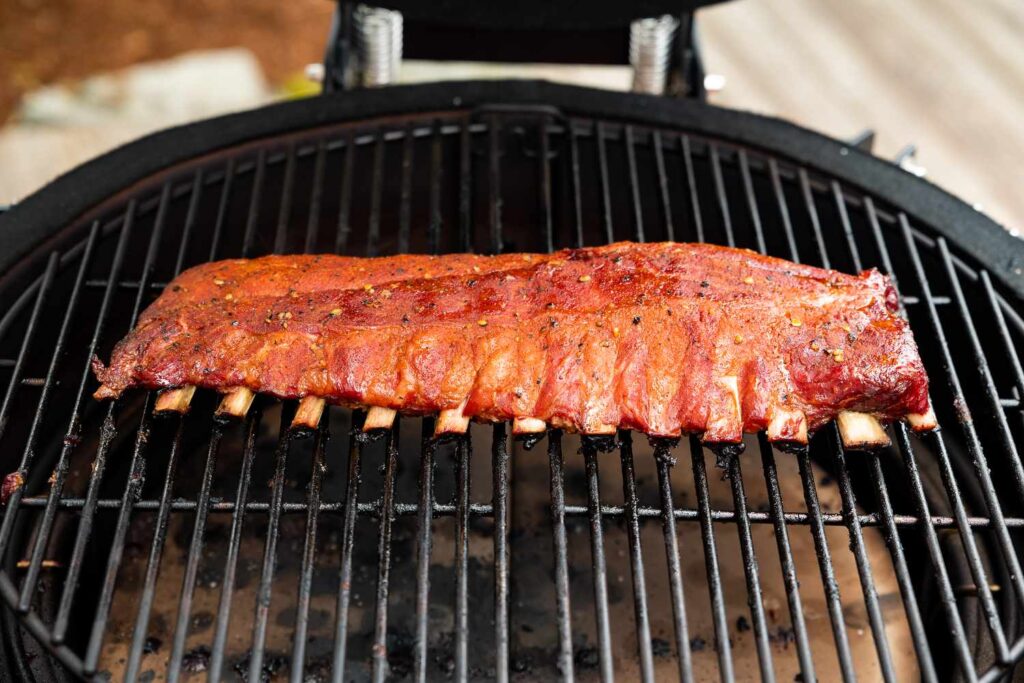

Anyone who has stood beside a smoker on a quiet afternoon knows that ribs are not rushed food. The question we hear most often is simple but loaded with expectation: How Long to Smoke Ribs: Times for Baby Back, Spare & St. Louis. The answer shapes texture, flavor, and that moment when the meat finally pulls clean from the bone. In this guide, we share real-world timing, temperature control, and hands-on insight so you can smoke ribs with confidence, patience, and pride.
Why Smoking Time Matters More Than Almost Anything Else
Ribs are rich with connective tissue and fat that only break down with steady heat over time. Smoke does not just flavor the meat; it works alongside temperature to soften collagen and keep moisture locked inside. When smoking ribs, minutes matter less than consistency, airflow, and patience.
When people search for How Long to Smoke Ribs: Times for Baby Back, Spare & St. Louis, they are really asking how to avoid dry ribs, how to get that gentle bend, and how to serve ribs that make people quiet at the table.
Core Factors That Affect Rib Smoking Time
Before we get into exact times, we need to acknowledge what changes the clock. No two racks behave exactly the same.
- Type of ribs: Baby back, spare, and St. Louis ribs cook at different speeds.
- Smoker temperature: Most ribs are smoked between 225°F and 250°F.
- Meat thickness: Heavier racks take longer.
- Bone density and fat content: More fat means more time to render.
These factors explain why How Long to Smoke Ribs: Times for Baby Back, Spare & St. Louis cannot be answered with a single number. Still, there are proven ranges that work.
How Long to Smoke Baby Back Ribs
Baby back ribs come from the upper loin and are leaner, shorter, and more tender than other cuts. Because of this, they cook faster and are forgiving for beginners.
Average Smoking Time for Baby Back Ribs
At a steady 225°F to 250°F, baby back ribs usually take 4 to 5 hours to smoke properly. Some thicker racks may push closer to 5.5 hours.
When discussing How Long to Smoke Ribs: Times for Baby Back, Spare & St. Louis, baby backs are the quickest but still require patience.
What Baby Back Ribs Should Look and Feel Like
Well-smoked baby back ribs show a deep mahogany color. The meat pulls back from the bones by about half an inch. When lifted with tongs, the rack should bend gently and start to crack without falling apart.
How Long to Smoke Spare Ribs
Spare ribs come from the belly area and contain more fat and connective tissue. This makes them incredibly flavorful but slower to cook.
Average Smoking Time for Spare Ribs
At 225°F to 250°F, spare ribs usually require 5 to 6 hours. Large racks can push closer to 6.5 hours.
For anyone focused on How Long to Smoke Ribs: Times for Baby Back, Spare & St. Louis, spare ribs define the long, slow nature of barbecue.
Why Spare Ribs Reward Patience
Spare ribs develop deeper smoke flavor due to longer exposure. The fat slowly renders, bathing the meat in richness. Rushing them often leads to chewy bites, while giving them time results in tender, juicy ribs that hold together beautifully.
How Long to Smoke St. Louis Style Ribs
St. Louis ribs are spare ribs trimmed into a neat, rectangular rack. They cook more evenly and are a favorite for competition and backyard cooks alike.
Average Smoking Time for St. Louis Ribs
At 225°F to 250°F, St. Louis ribs usually take 5 to 6 hours, similar to spare ribs but often slightly more predictable.
In conversations about How Long to Smoke Ribs: Times for Baby Back, Spare & St. Louis, St. Louis ribs are often considered the balance between ease and flavor.
Smoking Temperature and Its Direct Impact on Time
Most rib guides assume a smoker temperature of 225°F. Raising the heat to 250°F shortens cooking time by roughly 30 to 45 minutes but increases the risk of drying if not monitored closely.
Lower temperatures extend cooking time but deepen smoke flavor. Regardless of temperature, consistency matters more than exact numbers when judging How Long to Smoke Ribs: Times for Baby Back, Spare & St. Louis.
The 3-2-1 and 2-2-1 Methods Explained
Many cooks rely on structured methods to manage time and tenderness.
3-2-1 Method for Spare and St. Louis Ribs
This method breaks smoking into three stages: 3 hours unwrapped with smoke, 2 hours wrapped with moisture, and 1 final hour unwrapped to set bark and sauce. Total time equals about 6 hours.
2-2-1 Method for Baby Back Ribs
Because baby backs are smaller, the 2-2-1 method works better. Two hours of smoke, two hours wrapped, and one final hour to firm up texture.
These methods offer a reliable answer to How Long to Smoke Ribs: Times for Baby Back, Spare & St. Louis for cooks who want structure.
How to Tell When Ribs Are Truly Done
Time alone does not finish ribs. Sensory cues matter more than the clock.
We look for tenderness, gentle bend, and internal meat temperatures around 195°F to 203°F. A toothpick should slide into the meat with little resistance.
Mastering these cues elevates your understanding of How Long to Smoke Ribs: Times for Baby Back, Spare & St. Louis beyond guesswork.
Common Mistakes That Extend or Ruin Smoking Time
Opening the smoker too often drops temperature and adds unnecessary time. Cooking ribs straight from the fridge slows progress. Excess sugar in rubs can burn during long cooks.
A calm approach keeps timing predictable and results consistent when tackling How Long to Smoke Ribs: Times for Baby Back, Spare & St. Louis.
Flavor, Smoke Wood, and Their Role in Timing
Fruit woods like apple and cherry burn mild and steady, while hickory and oak burn hotter and stronger. Stronger woods can darken ribs faster but do not shorten the collagen breakdown time.
Wood choice affects flavor more than total hours, but balance still matters within How Long to Smoke Ribs: Times for Baby Back, Spare & St. Louis.
Resting Ribs After Smoking
Once ribs come off the smoker, resting them for 20 to 30 minutes allows juices to settle. Skipping rest can undo hours of careful smoking.
Resting is the final, often ignored step in How Long to Smoke Ribs: Times for Baby Back, Spare & St. Louis.
Conclusion
Perfect ribs are built on patience, steady heat, and attention to detail. Knowing How Long to Smoke Ribs: Times for Baby Back, Spare & St. Louis gives you a roadmap, but experience teaches the rest. Baby back ribs usually finish in 4 to 5 hours, spare ribs in 5 to 6 hours, and St. Louis ribs follow closely behind. When you trust your senses as much as the clock, ribs stop being a guessing game and start becoming a tradition worth repeating.