
Comparing Rambler and Rancher Homes: Features, Plans, Costs is a topic that comes up often when buyers look for single story homes that balance comfort, layout, and long term value. These homes appear similar at first glance, yet they differ in history, floor plans, construction details, and pricing. We have worked with homeowners, builders, and buyers across the United States, and we know how confusing the choice can feel when both options seem to offer the same promise of easy living. This guide is written to answer real questions, clarify differences, and help readers make confident decisions based on lifestyle, budget, and future needs.
What Defines a Rambler Home
A rambler home is traditionally associated with the West Coast and Midwest. The term rambler gained popularity in the 1950s and 1960s, when families wanted open living spaces without stairs. A rambler often stretches horizontally across the lot, giving it a long and low profile. When Comparing Rambler and Rancher Homes: Features, Plans, Costs, we see that rambler homes usually emphasize flow from room to room.
Inside a rambler, hallways tend to be minimal. Living rooms, dining areas, and kitchens connect naturally, making everyday movement feel relaxed. Bedrooms are often placed on one side of the house, offering privacy from common areas. Many homeowners describe the feeling as calm and practical, especially for families with young children or adults who plan to age in place.
What Defines a Rancher Home
A rancher home, sometimes called a ranch style house, also focuses on single level living. The rancher style traces its roots to the Southwest, influenced by Spanish colonial architecture and wide open land. When Comparing Rambler and Rancher Homes: Features, Plans, Costs, rancher homes often feel slightly more structured in layout compared to ramblers.
Rancher homes frequently include attached garages, large front windows, and a clear separation between living and sleeping zones. The exterior may feel more symmetrical, while the interior layout can feel more defined. Many buyers appreciate this sense of order, especially those who prefer distinct rooms rather than open layouts.
Floor Plan Differences That Matter
One of the most important areas when Comparing Rambler and Rancher Homes: Features, Plans, Costs is the floor plan. While both are single story, the way space is used can affect daily life.
Rambler floor plans often emphasize openness. Kitchens flow into living spaces, making them ideal for social gatherings. Natural light tends to travel freely across the home, which many owners say improves mood and comfort.
Rancher floor plans may include more walls and defined rooms. This layout can help with noise control and privacy. For families with remote work needs or different daily schedules, this structure can be helpful.
Typical Room Layout in Rambler Homes
- Open kitchen, dining, and living areas
- Bedrooms grouped together
- Minimal hallways
Typical Room Layout in Rancher Homes
- Clear separation between living and sleeping areas
- Often includes a formal dining room
- Garage access directly into the house
Exterior Design and Curb Appeal
Exterior appearance plays a major role when Comparing Rambler and Rancher Homes: Features, Plans, Costs. Rambler homes usually appear long and low, sometimes with simple siding and modest rooflines. The design focuses more on function than decoration.
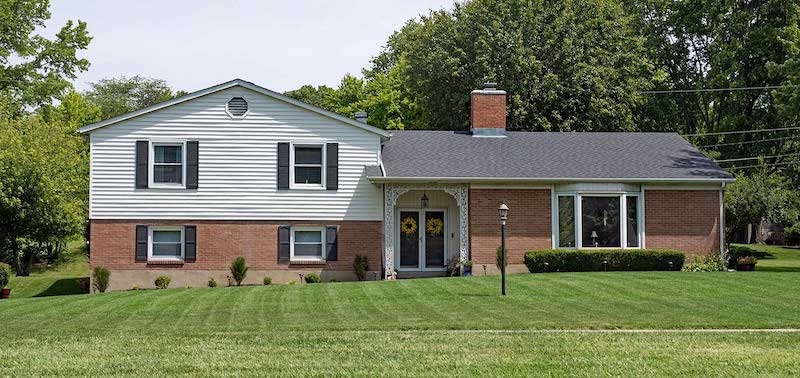
Rancher homes often feature wider facades, decorative shutters, and larger front porches. Many buyers feel rancher homes offer stronger curb appeal, especially in suburban neighborhoods. The emotional response to pulling into the driveway each day can matter more than people expect.
Construction and Materials
Construction methods for both styles are similar, but subtle differences exist. When Comparing Rambler and Rancher Homes: Features, Plans, Costs, rambler homes may require larger lots due to their stretched layout. This can affect foundation costs and land pricing.
Rancher homes, while also single story, may use space more compactly. This can lower foundation expenses in some regions. Both styles typically use wood framing, asphalt shingles, and standard residential materials, though custom builds may vary.
Cost Comparison Between Rambler and Rancher Homes
Cost is often the deciding factor when Comparing Rambler and Rancher Homes: Features, Plans, Costs. While prices depend heavily on location, size, and finishes, general patterns exist.
Rambler homes can cost more to build per square foot because of their wide footprint. Larger roofs and foundations increase material and labor costs. However, their open layouts may reduce interior wall construction costs.
Rancher homes often strike a balance. Their structured layouts may include more walls, but their compact footprint can save on foundation expenses. Buyers often find rancher homes slightly more affordable in planned developments.
Average Cost Factors to Consider
- Lot size and land pricing
- Roof and foundation area
- Interior finishes and upgrades
Maintenance and Long Term Ownership
Maintenance is another key factor when Comparing Rambler and Rancher Homes: Features, Plans, Costs. Single story homes generally make roof repairs, window cleaning, and exterior painting easier. Both styles benefit from this advantage.
Rambler homes may require more exterior upkeep simply because they cover more ground. Rancher homes may have more complex rooflines, which can increase inspection time. Over decades of ownership, these small differences can add up.
Accessibility and Aging in Place
Many buyers consider future needs when Comparing Rambler and Rancher Homes: Features, Plans, Costs. Both styles work well for aging in place because they eliminate stairs. Doorway width, bathroom layout, and hallway space matter more than the label of the home.
Ramblers with open layouts can be easier to adapt for mobility aids. Rancher homes with defined spaces may need small modifications but still offer strong accessibility potential.
Energy Efficiency and Comfort
Energy use plays a growing role when Comparing Rambler and Rancher Homes: Features, Plans, Costs. Single story homes can lose more heat through the roof because of their larger surface area. Proper insulation and modern windows make a major difference.
Rancher homes with compact designs may be slightly easier to heat and cool. That said, updated HVAC systems and smart thermostats level the field between the two styles.
Resale Value and Market Demand
Resale value often reflects buyer demand. When Comparing Rambler and Rancher Homes: Features, Plans, Costs, both styles perform well in markets where single story living is in demand. Families with young children, retirees, and buyers with mobility needs often prioritize these homes.
Rancher homes may appeal more to traditional buyers who like defined rooms. Rambler homes often attract buyers who value open living. Understanding local preferences helps predict resale outcomes.
Which Home Style Fits Your Lifestyle
Choosing between these styles comes down to daily habits and emotional comfort. When Comparing Rambler and Rancher Homes: Features, Plans, Costs, we encourage buyers to walk through both types and imagine normal days, not just special occasions.
Some people enjoy the quiet separation of rooms in a rancher. Others feel more connected in a rambler where voices and light travel freely. Neither choice is wrong, but one will feel more like home.
Conclusion
Comparing Rambler and Rancher Homes: Features, Plans, Costs helps buyers move beyond surface level similarities and focus on real differences that affect comfort, budget, and long term satisfaction. Rambler homes offer openness and flow, while rancher homes provide structure and classic design. By weighing layout, costs, maintenance, and lifestyle needs, buyers can choose with confidence. Comparing Rambler and Rancher Homes: Features, Plans, Costs is not about finding a winner, but about finding the right fit for how you want to live today and in the years ahead