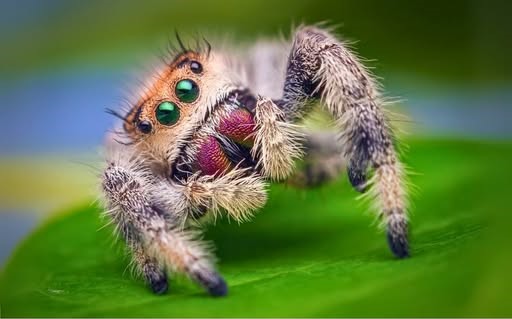

Jumping spiders are small, alert, and surprisingly expressive creatures that many people notice watching them from walls, garden leaves, or windowsills. One of the most common questions we hear is about how long they actually live. In this article, we focus fully on Jumping Spider Lifespan Explained: Real Ages & What Affects Their Life, sharing real data, observed patterns, and human experiences that help explain why some jumping spiders live only a few months while others survive much longer. Within the first moments of encountering these spiders, people often feel curiosity rather than fear, and understanding their lifespan deepens that connection.
What Is the Average Jumping Spider Lifespan
When we talk about jumping spider lifespan, we must first accept that there is no single number that applies to all species. On average, most jumping spiders live between six months and two years. Males usually live shorter lives, often reaching maturity quickly and dying soon after mating. Females tend to live longer, especially if they successfully reproduce and guard their egg sacs.
In real-world observation, a jumping spider lifespan explained: real ages & what affects their life often depends on whether the spider lives indoors, outdoors, or under human care. Wild spiders face predators, weather, and food scarcity. Captive spiders may live longer but only if their care closely matches natural conditions.
Jumping Spider Lifespan by Species
There are over 6,000 species of jumping spiders worldwide, and lifespan varies widely among them. Some of the most commonly observed species include Phidippus audax, Phidippus regius, and Salticus scenicus. Larger species generally live longer than very small species.
For example, Phidippus regius females can live close to two years in controlled environments. Smaller species may live less than one year even under ideal conditions. When discussing jumping spider lifespan explained: real ages & what affects their life, species identity is always one of the strongest influences.
Male vs Female Jumping Spider Lifespan
Sex plays a major role in how long a jumping spider lives. Males often live fast and die young. After reaching maturity, males focus on finding mates, which exposes them to predators and exhaustion. Many males die within weeks or months after mating.
Females usually live longer because their biological role requires egg production, egg guarding, and sometimes multiple breeding cycles. Some females survive through winter, especially in warmer regions. This difference is essential to any accurate jumping spider lifespan explained: real ages & what affects their life discussion.
Jumping Spider Lifespan in the Wild
Life in the wild is risky for a jumping spider. Birds, lizards, larger spiders, pesticides, and sudden temperature drops all shorten lifespan. Even a missed jump can be fatal. Many wild jumping spiders never reach adulthood.
We have observed wild jumping spiders living only three to six months due to environmental pressure. Those that survive longer usually live in stable habitats with plenty of prey and shelter. In nature, jumping spider lifespan explained: real ages & what affects their life is closely tied to survival skills and luck.
Jumping Spider Lifespan in Captivity
When kept properly, jumping spiders often live longer in captivity than in the wild. A safe enclosure, regular feeding, and stable temperature reduce many risks. However, captivity does not automatically mean a longer life.
Poor ventilation, incorrect humidity, or lack of stimulation can shorten lifespan. Jumping spiders are intelligent hunters that rely on movement and visual engagement. A well cared for captive spider may live one to two years, making jumping spider lifespan explained: real ages & what affects their life a topic deeply tied to husbandry quality.
Factors That Affect Jumping Spider Lifespan
Several factors influence how long a jumping spider lives. These factors often overlap and work together rather than acting alone.
- Species size and genetics
- Sex and reproductive history
- Food availability and prey quality
- Temperature and seasonal changes
- Predator exposure
- Human care in captivity
Each of these factors plays a role in jumping spider lifespan explained: real ages & what affects their life, and ignoring even one can change outcomes significantly.
Diet and Its Impact on Lifespan
Jumping spiders rely on live prey such as flies, moths, and small insects. A diet that lacks nutrients can shorten lifespan even if food is abundant. Spiders fed only small or weak prey may not receive enough energy to maintain health.
In captivity, offering appropriately sized prey and occasional variety supports longevity. Feeding too much can also be harmful, leading to molting problems. Diet is a quiet but powerful factor in jumping spider lifespan explained: real ages & what affects their life.
Temperature, Seasons, and Lifespan
Temperature directly affects metabolism. Warmer conditions speed up growth but may shorten lifespan. Cooler temperatures slow development and can extend life, especially for females that overwinter.
In colder climates, jumping spiders may enter a resting phase during winter. This natural slowdown can preserve energy and extend life. Seasonal rhythm is often overlooked when discussing jumping spider lifespan explained: real ages & what affects their life, yet it remains essential.
Molting and Survival Risks
Molting is one of the most dangerous moments in a jumping spider’s life. During this process, the spider sheds its exoskeleton and remains soft and vulnerable. Many spiders die during failed molts due to dehydration or stress.
A successful molt allows growth and maturity, but each molt carries risk. Spiders that experience multiple failed or stressful molts often live shorter lives. Molting health strongly shapes jumping spider lifespan explained: real ages & what affects their life.
Emotional Connection and Human Observation
People who observe jumping spiders often describe a sense of connection. Their curious head tilts, direct eye contact, and cautious movements make them feel almost expressive. When a spider disappears after months of observation, it can feel strangely personal.
This emotional response reminds us that lifespan is not just a number. Jumping spider lifespan explained: real ages & what affects their life also reflects how humans perceive time, care, and fragility in small living beings.
How to Help a Jumping Spider Live Longer
For those caring for a jumping spider, small choices matter. Gentle handling, clean enclosures, and respect for natural behavior reduce stress. Allowing visual exploration and providing vertical space supports mental stimulation.
Avoid overhandling and loud vibrations. A calm environment supports longevity. These actions directly influence jumping spider lifespan explained: real ages & what affects their life in practical ways.
Common Myths About Jumping Spider Lifespan
Many people believe jumping spiders live only a few weeks. This myth likely comes from observing adult males near the end of their life. Others assume captivity guarantees long life, which is not always true.
Reality sits in between. With proper conditions, jumping spiders can live far longer than most expect. Clearing these myths strengthens accurate understanding of jumping spider lifespan explained: real ages & what affects their life.
Conclusion: Jumping Spider Lifespan Explained Through Real Experience
Jumping spiders may be small, but their lives are shaped by complex biological and environmental forces. From species and sex to diet and temperature, every detail matters. When we look closely, jumping spider lifespan explained: real ages & what affects their life becomes a story of survival, adaptation, and quiet resilience. Whether encountered in the wild or cared for at home, understanding their lifespan helps us respect these remarkable spiders and the brief but meaningful lives they live.