
The Prairie Bluebell Egger Breed Guide: Traits, Eggs, Care Tips is written for backyard chicken keepers who want reliable blue eggs, steady laying, and a calm flock addition. Prairie Bluebell Eggers have gained attention across the United States for their egg color consistency, cold hardiness, and friendly behavior. In this Prairie Bluebell Egger Breed Guide: Traits, Eggs, Care Tips, we share hands on insights, real care advice, and practical details drawn from years of poultry experience.
Many families look for chickens that fit into daily routines without stress. Prairie Bluebell Eggers often meet that need. Their steady egg production and adaptable nature make them a strong choice for beginners and experienced keepers alike. This Prairie Bluebell Egger Breed Guide: Traits, Eggs, Care Tips focuses on what truly matters when raising this hybrid breed.
What Is a Prairie Bluebell Egger
Prairie Bluebell Eggers are hybrid chickens developed to lay blue eggs reliably. They are not a heritage breed but a carefully bred cross designed to balance egg color, temperament, and durability. Hatcheries developed them to offer consistent blue egg production without the uncertainty often found in mixed Easter Egger lines.
Unlike many mixed color egg layers, Prairie Bluebell Eggers show predictable results. Keepers usually know what egg color, size, and laying rate to expect. This reliability is one reason the Prairie Bluebell Egger Breed Guide: Traits, Eggs, Care Tips continues to draw interest from backyard flock owners.
Physical Traits and Appearance
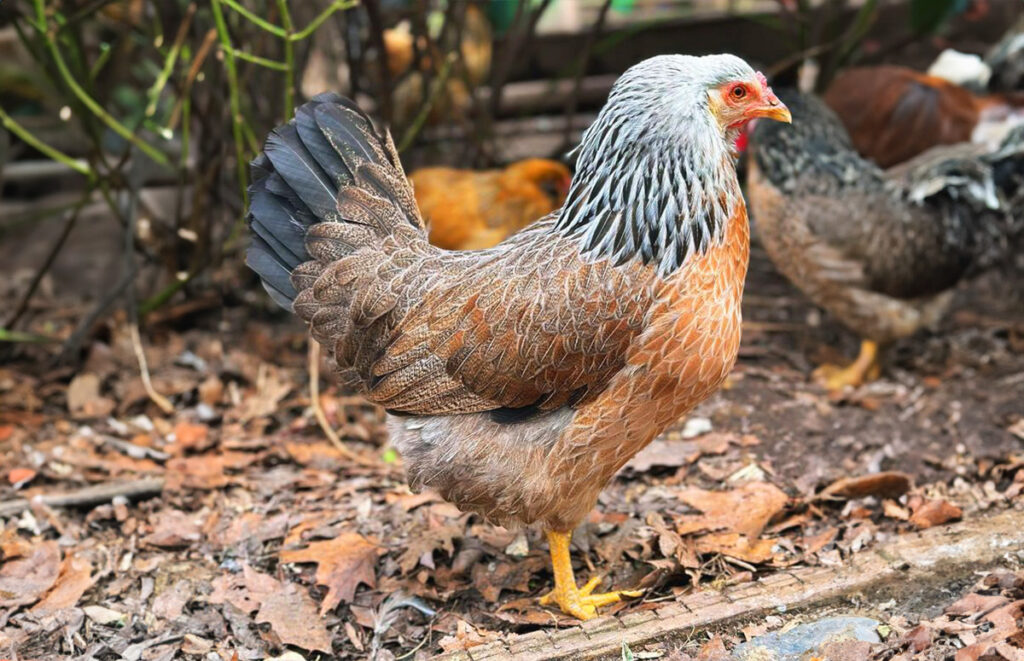
Prairie Bluebell Eggers show moderate variation in feather color, yet most share similar body structure. They have a balanced frame that supports steady laying without appearing overly heavy or fragile.
Common physical features include:
- Medium sized body with solid muscle tone
- Single comb suited for cold weather
- Clean legs without feathering
- Feather colors ranging from blue gray to black and splash
Their plumage often has a soft sheen that looks striking in sunlight. Many keepers notice how well Prairie Bluebell Eggers blend visual appeal with practical durability. These traits are a core part of this Prairie Bluebell Egger Breed Guide: Traits, Eggs, Care Tips.
Temperament and Flock Behavior
Temperament matters in any backyard setting, especially when children or pets are involved. Prairie Bluebell Eggers tend to be calm, curious, and easy to manage. They usually rank in the middle of the pecking order and avoid aggressive behavior.
From daily observation, many keepers describe them as steady rather than flighty. They tolerate handling well and adjust quickly to routine human contact. This balanced personality helps reduce stress in mixed flocks and supports a peaceful coop environment.
Within the Prairie Bluebell Egger Breed Guide: Traits, Eggs, Care Tips, temperament stands out as a key advantage for small homesteads and suburban backyards.
Egg Color, Size, and Laying Frequency
The primary reason most people seek Prairie Bluebell Eggers is egg color. These hens lay true blue eggs rather than green or tinted shades. The color remains consistent throughout the laying season.
Egg details typically include:
- Shell color: sky blue to medium blue
- Egg size: medium to large
- Annual production: approximately 250 to 280 eggs
Egg shells tend to be strong, reducing breakage during collection. Many families appreciate the visual variety blue eggs add to their cartons, especially when combined with brown and white layers.
This dependable output makes Prairie Bluebell Eggers practical for households that want beauty and productivity in one bird. That balance defines the Prairie Bluebell Egger Breed Guide: Traits, Eggs, Care Tips.
Climate Adaptability and Hardiness
Prairie Bluebell Eggers were developed with American climates in mind. They handle cold weather well, particularly in northern regions. Their single comb is less prone to frostbite when coops are dry and well ventilated.
In warmer areas, they adapt with basic heat management. Shade, fresh water, and airflow usually keep them comfortable during summer months. They are not known to shut down laying easily due to mild weather stress.
This adaptability allows Prairie Bluebell Eggers to thrive across a wide range of environments, reinforcing their place in this Prairie Bluebell Egger Breed Guide: Traits, Eggs, Care Tips.
Housing and Space Requirements
Proper housing supports long term health and egg production. Prairie Bluebell Eggers do well with standard coop setups designed for medium sized hens.
Recommended space guidelines include:
- At least 4 square feet per bird inside the coop
- 8 to 10 square feet per bird in an outdoor run
- Roosting bars placed at comfortable heights
They enjoy free ranging when safe, often foraging calmly without wandering far. Secure fencing remains important, as their moderate curiosity can still lead them into trouble.
Housing consistency plays a key role in this Prairie Bluebell Egger Breed Guide: Traits, Eggs, Care Tips.
Feeding and Nutrition Needs
Nutrition directly affects egg quality and hen health. Prairie Bluebell Eggers thrive on a balanced layer feed with proper protein and calcium levels.
Daily feeding practices often include:
- Layer feed with 16 to 18 percent protein
- Free choice oyster shell for calcium
- Occasional kitchen scraps and garden greens
Clean water should always be available. Many keepers notice egg shell strength improves when calcium is consistently offered. This simple step supports long term laying performance.
Feeding routines are an essential section of the Prairie Bluebell Egger Breed Guide: Traits, Eggs, Care Tips.
Health, Lifespan, and Common Issues
Prairie Bluebell Eggers are generally healthy birds with few breed specific problems. Their hybrid vigor helps reduce genetic weaknesses seen in some pure breeds.
With proper care, they often live 6 to 8 years, remaining productive for several laying seasons. Routine health practices include parasite checks, clean bedding, and observation for changes in behavior.
Common issues tend to be environmental rather than genetic. Wet litter, poor ventilation, or unbalanced diets cause most problems. Addressing these early keeps flocks strong.
This health stability adds confidence for anyone following the Prairie Bluebell Egger Breed Guide: Traits, Eggs, Care Tips.
Broodiness and Reproduction
Prairie Bluebell Eggers are not known for strong broodiness. Most hens focus on laying rather than sitting on eggs. This trait suits keepers who want consistent egg supply without interruptions.
For those interested in hatching chicks, artificial incubation is usually required. Fertility rates depend on breeding stock quality rather than the hens themselves.
Low broodiness remains a practical advantage highlighted in the Prairie Bluebell Egger Breed Guide: Traits, Eggs, Care Tips.
Is the Prairie Bluebell Egger Right for Your Flock
Choosing the right breed depends on goals and lifestyle. Prairie Bluebell Eggers suit families who want steady blue eggs, calm behavior, and manageable care routines.
They fit well in mixed flocks and do not demand specialized handling. Their predictable traits reduce guesswork for new chicken owners.
If reliability matters more than novelty, Prairie Bluebell Eggers often meet expectations outlined in this Prairie Bluebell Egger Breed Guide: Traits, Eggs, Care Tips.
Conclusion
The Prairie Bluebell Egger Breed Guide: Traits, Eggs, Care Tips highlights why this hybrid has earned trust among backyard poultry keepers. From dependable blue egg production to balanced temperament and climate adaptability, Prairie Bluebell Eggers offer practical value without unnecessary challenges.
With thoughtful housing, proper nutrition, and routine care, these hens reward keepers with years of steady eggs and calm presence. For those seeking a reliable blue egg layer that fits smoothly into daily life, the Prairie Bluebell Egger Breed Guide: Traits, Eggs, Care Tips serves as a trusted reference and starting point.